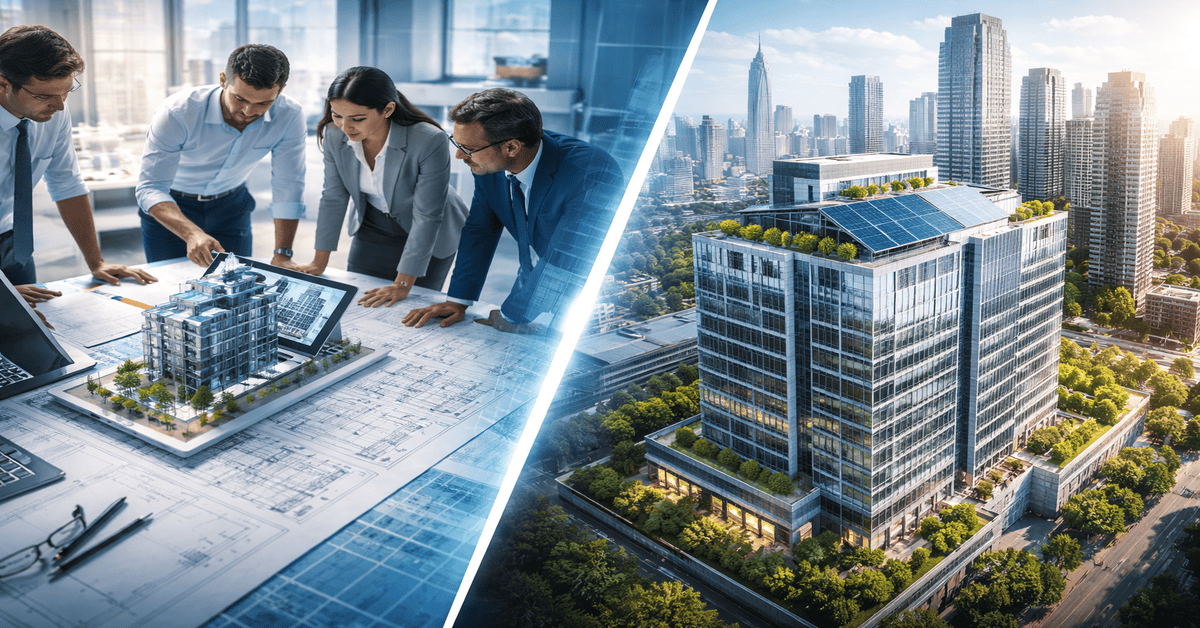
Buildings in the United States are getting smarter, greener, and more expensive to fix when mistakes happen. That is why many architects, engineers, and developers are changing how projects are planned. The integrated design project model is becoming the preferred approach across major US cities like New York, Austin, and San Francisco.
Instead of working in isolation, teams collaborate from day one. The result is better performance, lower long-term costs, and fewer surprises.
What Is an Integrated Design Project?
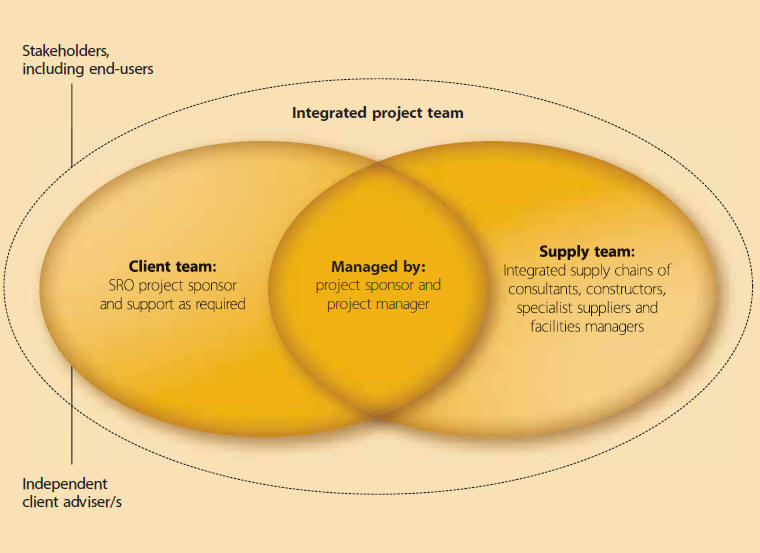
An integrated design project is a planning and execution approach where all key stakeholders work together from the very beginning of a project.
This includes:
- Architects
- Structural and MEP engineers
- Contractors
- Sustainability consultants
- Owners and investors
Unlike traditional design methods, decisions are not made in silos. Every design choice considers cost, performance, sustainability, and future use at the same time.
In simple terms, it is teamwork before construction starts.
How the Integrated Design Process Works
Early collaboration stage
In the United States, most integrated design projects start during pre-design. Teams discuss goals like energy efficiency, budget limits, and local building codes. For example, California projects often plan around strict energy regulations from day one.
Design and performance alignment
During this phase, design decisions are tested against real-world performance. Daylight use, HVAC efficiency, and material life cycle are evaluated together. This avoids costly redesigns later.
Construction and execution phase
Because planning is already aligned, construction runs smoother. Fewer change orders are needed. Timelines are more predictable. This is especially valuable in high-cost US markets like Boston or Seattle.
Why Integrated Design Projects Matter in the United States
The US construction industry faces rising material costs and labour shortages. According to industry data, rework can consume up to 30 percent of construction costs in traditional projects.
Integrated design projects reduce that risk.
Key reasons for adoption in the US:
- Strong focus on sustainability
- Growing demand for green buildings
- State-level energy efficiency mandates
- Investor pressure for long-term value
In states like Texas and Colorado, integrated design is also used in large infrastructure and healthcare projects where performance is critical.
Who Is Involved in an Integrated Design Project?
An integrated design project depends on shared responsibility. Everyone has a voice early on.
Typical participants include:
- Building owners and developers
- Architects and urban planners
- Engineers from multiple disciplines
- Contractors and construction managers
- Energy and sustainability experts
This approach is now common in public-sector projects across the United States, especially schools, hospitals, and government buildings.
Real-Life Integrated Design Project Examples in the US
In cities like Portland, Oregon, integrated design projects are used for net-zero energy buildings. Teams plan insulation, lighting, and renewable systems together.
In New York City, large commercial developments use integrated design to meet strict zoning and carbon reduction rules without increasing costs.
Even smaller projects, such as community housing in Arizona, are adopting this method to handle extreme climate conditions efficiently.
Benefits and Challenges of Integrated Design Projects
Key benefits
- Lower long-term operational costs
- Better energy and resource efficiency
- Fewer design conflicts
- Faster approvals and smoother construction
Common challenges
- Requires early commitment from all parties
- Higher planning effort at the start
- Cultural shift from traditional workflows
In the US market, companies that adapt quickly gain a competitive edge.
Common Questions People Ask About Integrated Design Projects
What is an integrated design project in simple words?
It is a project where all experts work together from the beginning instead of separately.
Is integrated design used widely in the United States?
Yes. It is common in sustainable buildings, public infrastructure, and large commercial developments.
Does integrated design cost more?
Initial planning may take more time, but total project cost is often lower due to fewer errors.
Which industries use integrated design projects most?
Architecture, construction, healthcare, education, and smart infrastructure projects.
6. Google Discover Visual Ideas

Design and Engineering Practice: A Practical, Trusted Guide for Modern Projects